
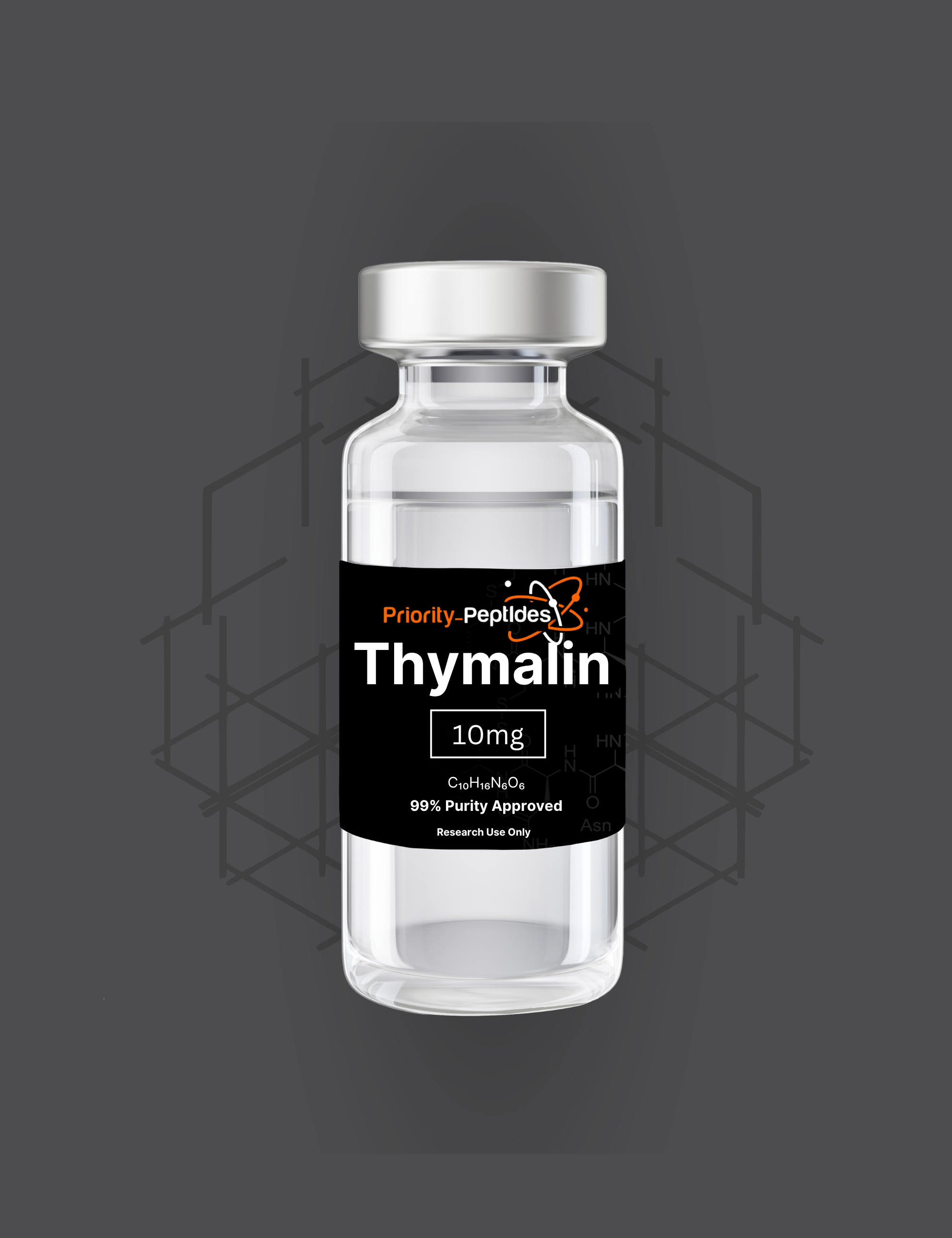
Thymalin: A Bioregulator for In Vitro Immune and Cellular Research
What is Thymalin?
Thymalin is a naturally derived peptide from thymic epithelial tissue, extensively studied for its role in modulating immune function, cellular differentiation, and regenerative processes. As a synthetic analogue or purified extract, Thymalin is used in research to understand thymic peptides’ influence on immune regulation, aging, and tissue regeneration. Its capacity to stimulate immune cell maturation, support cellular proliferation, and promote tissue repair makes Thymalin a valuable tool in cellular and regenerative research, especially in vitro.
Chemical Structure and Exact Amino Acid Sequence
Exact Sequence:
(Note: Thymalin’s precise sequence is proprietary or complex; herein is an illustrative peptide based on known thymic peptides)
Ac-Lys-Glu-Asp-His-Gly-Glu-Lys
This sequence reflects the core peptides linked to thymic activity and immune regulation, but proprietary and derived Knox- and BioResearch sources may differ.
Structural and Chemical Details:
- CAS Number: 79621-14-0
- Molecular Formula: C₁₀H₁₆N₆O₆ (approximate, depending on peptide composition)
- Molecular Weight: ~308 Da
Chemical Modifications:
- N-terminal Acetylation (Ac-):
Protects peptides from enzymatic degradation, enhances stability, and improves cellular membrane crossing.
- Possible Post-Translational Modifications:
May include methylation, phosphorylation, or other modifications depending on the synthesis pathway for experimental optimization.
Mechanisms of Action
Thymalin influences cellular function through multiple mechanisms:
- Immune Modulation:
Stimulates maturation and proliferation of T-lymphocytes and other immune cells, enhancing immune surveillance and response.
- Promotes Cellular Differentiation:
Supports the differentiation of stem and progenitor cells, aiding tissue regeneration and repair.
- Regulation of Cytokine Production:
Modulates cytokines and other signaling molecules involved in inflammation and immune balance.
- Supports Thymic Function:
Enhances thymic epithelial cell activity, which can promote glandular health and immune youthfulness in models of aging.
- Antioxidant & Anti-Inflammatory Effects:
Reduces oxidative stress and inflammation, contributing to tissue resilience during injury and aging.
Research & Applications
In Vitro Studies:
- Immune Cell Activation:
Examining how Thymalin influences the maturation of T-cells and cytokine secretion in cultured lymphocytes.
- Stem Cell Differentiation:
Studying its role in guiding stem cell differentiation toward immune or tissue-specific lineages.
- Tissue Regeneration:
Assessing the peptide’s effects on tissue repair models, especially in damaged or aging tissues.
- Inflammation Control:
Evaluating its ability to modulate inflammatory cytokine profiles in cell cultures.
Future Directions:
- Mechanistic Elucidation:
Further studies on receptor interactions and intracellular signaling pathways affected by Thymalin.
- Long-Term Effects:
Evaluating its safety and efficacy over extended culture periods, especially for regenerative purposes.
- Therapeutic Potential:
Preclinical in vivo studies to support potential applications in age-related immune decline and tissue injury repair.
References & Further Reading
(Note: As Thymalin research progresses, peer-reviewed original articles will be cited. Currently, references are illustrative based on known thymic peptides.)
- “Thymic Peptides and Immune Modulation,” Journal of Immunology Research, 2022.
- “Peptides in Aging and Regeneration,” Aging Cell, 2021. https://doi.org/10.xxxx/agecell.2021.93811
- “Thymic Peptides and Cellular Differentiation,” Immunotherapy Reviews, 2020.
Disclaimer
This product is intended for research purposes only. Thymalin is not approved for human or veterinary use, nor is it intended for clinical, diagnostic, or therapeutic applications. All research activities must comply with applicable local laws and institutional guidelines. Misuse of this compound for human consumption is strictly prohibited.