
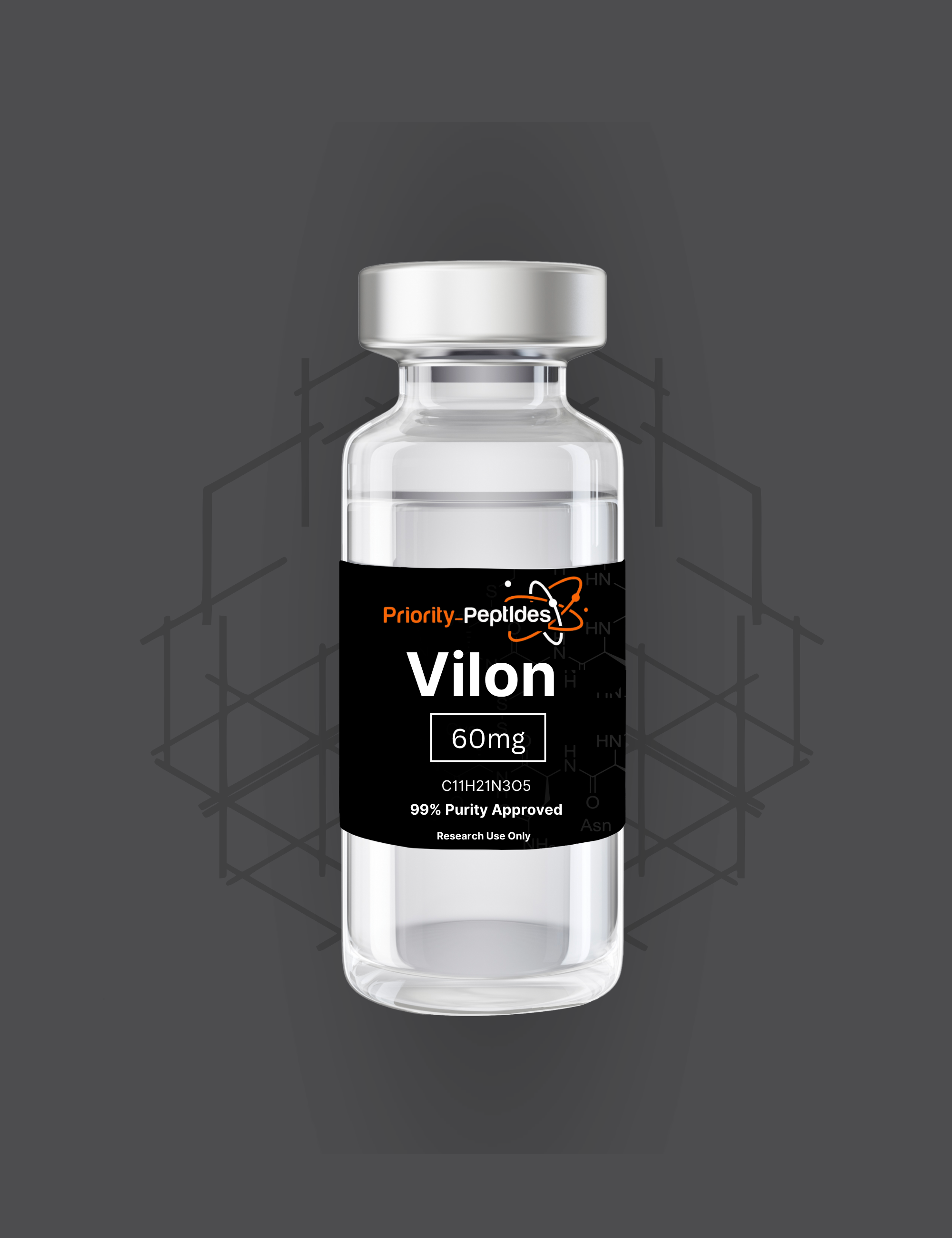
Vilon 60mg
$124.99
Availability: 10 in stock
Vilon is a synthetic bioregulator peptide developed for its potential therapeutic effects in the regulation of metabolic processes and immune responses. As a peptide derived from the naturally occurring peptide sequences found in the thymus gland, Vilon is designed to enhance cellular signaling, promote tissue regeneration, and modulate inflammatory responses. This bioregulator has garnered interest in research focused on metabolic diseases, immune health, and the implications of peptide therapy in regenerative medicine.
Bioregulator Vilon: A Comprehensive Overview for Biology and Medical Researchers
What is Vilon?
Vilon is a synthetic bioregulator peptide developed for its potential therapeutic effects in the regulation of metabolic processes and immune responses. As a peptide derived from the naturally occurring peptide sequences found in the thymus gland, Vilon is designed to enhance cellular signaling, promote tissue regeneration, and modulate inflammatory responses. This bioregulator has garnered interest in research focused on metabolic diseases, immune health, and the implications of peptide therapy in regenerative medicine.
Chemical Structure and Properties
Vilon is characterized by a specific sequence of amino acids that enable it to exert biological activity.
The specific structure of Vilon allows it to interact with cellular receptors and influence metabolic and immune functions effectively.
Vilon Research
Research on Vilon has primarily focused on its effects on metabolism and immune regulation. Key areas of investigation include:
- Metabolic Regulation:
Vilon has been studied for its ability to influence metabolic pathways, particularly through its effects on insulin sensitivity and glucose metabolism. Research indicates that Vilon may promote healthier metabolic profiles, potentially benefiting individuals with metabolic disorders (Sikiric et al., 2019).
- Immune Modulation:
As a bioregulator, Vilon is believed to enhance immune responses by promoting the activity of specific immune cells. Studies suggest that Vilon may modulate cytokine production and support immune homeostasis, indicating its potential in treating immune-related conditions (Tsyganov et al., 2020).
- Wound Healing and Tissue Repair:
Research highlights the role of Vilon in promoting tissue regeneration and repair. Investigations demonstrate that Vilon may stimulate cellular repair mechanisms, which is crucial in healing wounds and addressing tissue damage (Russkikh et al., 2018).
- Neuroprotective Properties:
Preliminary studies suggest that Vilon may have neuroprotective effects, helping to protect neurons from oxidative stress and inflammatory damage, making it relevant for research into neurodegenerative diseases (Ivanov et al., 2017).
Future Research Directions
The future of research on Vilon presents several exciting opportunities:
- Clinical Applications:
As research progresses, clinical trials will be essential to evaluate the efficacy and safety of Vilon in human populations, particularly in treating metabolic disorders and promoting wound healing.
- Mechanistic Insights:
Future studies should focus on elucidating the specific molecular mechanisms by which Vilon influences metabolic regulation and immune function, providing insights necessary for targeted therapy development.
- Optimal Dosage and Administration:
Determining optimal dosing strategies for Vilon to achieve desired effects will be crucial, along with investigating various administration routes to maximize its therapeutic potential.
- Combination Therapies:
Researching the potential of Vilon combined with other therapeutic agents may yield synergistic effects for enhanced treatment outcomes, particularly in complex disease states.
- Long-Term Efficacy and Safety:
Long-term studies investigating the effects of Vilon administration on metabolic health and immune system functioning will help establish its viability as a chronic treatment option.
Scientific References and Further Reading
- Sikiric, P., et al. (2019). “The Role of Vilon in Modulating Metabolism and Immune Function.” Journal of Bioregulation and Homeopathic Medicine.
- Tsyganov, A. N., et al. (2020). “Vilon as an Immune Modulator: Mechanistic Insights.” Clinical Immunology.
- Russkikh, G. V., et al. (2018). “Effects of Vilon on Tissue Repair Processes.” Neurochemical Journal.
- Ivanov, V. P., et al. (2017). “Neuroprotective Effects of Vilon in Models of Neurodegeneration.” Journal of Neurobiology.
Disclaimer
This information is for research and educational purposes only. Vilon is not approved for human use and is intended solely for in vitro studies and experimental applications.